Pour-Over Coffee vs. Espresso: A Comprehensive Exploration of Two Iconic Brewing Traditions
Coffee is a beverage shaped by countless decisions. From the origin of the beans and the roasting profile to water quality and brewing technique, every stage influences the final cup. Among the many preparation methods developed throughout coffee history, two approaches have achieved worldwide recognition: pour-over coffee and espresso.

Both represent the pursuit of exceptional flavor, yet they approach extraction from completely different perspectives. Pour-over coffee emphasizes clarity, precision, and the expression of origin characteristics. Espresso focuses on concentration, intensity, and the creation of a powerful sensory experience within a small volume.
For professional coffee practitioners, comparing pour-over coffee and espresso is not a question of determining which method is superior. Instead, it is an exploration of how different brewing philosophies reveal different dimensions of the same ingredient.
A carefully prepared pour-over can showcase the delicate floral notes of an Ethiopian coffee or the bright fruit characteristics of a Kenyan bean. A precisely extracted espresso can transform the same coffee into a concentrated expression of sweetness, body, and complexity.
Understanding these differences allows baristas, roasters, and coffee enthusiasts to appreciate coffee as a dynamic craft rather than a simple beverage.
The caffeine content of pour-over coffee and espresso differs mainly because of serving size, coffee dose, and extraction method. An 8-ounce cup of pour-over coffee typically contains around 80–120 mg of caffeine, although stronger recipes or larger servings can provide considerably more. Pour-over brewing uses hot water that passes gradually through the grounds, allowing caffeine and other soluble compounds to be extracted over several minutes.
A standard 1-ounce espresso shot generally contains approximately 60–75 mg of caffeine. Although espresso has a higher caffeine concentration by volume, its small serving size means that a single shot may contain less total caffeine than a full cup of pour-over coffee. A double espresso, however, can provide roughly 120–150 mg, depending on the coffee and preparation.
The choice of beans also matters. Arabica generally contains less caffeine than Robusta, while factors such as coffee dose, grind size, water temperature, and extraction time influence the amount ultimately extracted into the beverage.
A caffeine calculator can help estimate caffeine intake more accurately by considering serving size, coffee dose, bean type, and brewing method. Therefore, comparing caffeine by concentration alone can be misleading; total caffeine per serving provides a more meaningful comparison between pour-over coffee and espresso.
The Fundamental Difference: Extraction Philosophy
At the core of the difference between pour-over coffee and espresso is their approach to extraction.
Extraction refers to the process of dissolving soluble compounds from ground coffee into water. These compounds include:
Organic acids
Sugars
Aromatic compounds
Oils
Flavor compounds
Caffeine
The brewer’s goal is to extract desirable compounds while avoiding excessive extraction of harsh or unpleasant elements.
Pour-over and espresso achieve this goal through different mechanisms.
Pour-Over: Controlled Extraction Through Time
Pour-over coffee uses gravity as the primary force moving water through coffee grounds.
The brewer carefully controls variables such as:
Water temperature
Pouring technique
Grind size
Coffee-to-water ratio
Contact time
The relatively long brewing process allows water to gradually extract different layers of flavor.
This method often emphasizes:
Aroma clarity
Acidity
Sweetness
Origin characteristics
Espresso: Pressure-Driven Concentration
Espresso uses pressure to force hot water through finely ground coffee.
Traditional espresso preparation involves:
Fine grinding
High pressure extraction
Short brewing time
Small beverage volume
This creates a concentrated liquid containing intense flavor, dissolved solids, and emulsified coffee oils.
Espresso emphasizes:
Body
Intensity
Texture
Concentrated sweetness
Rich aroma
The difference is not simply about strength. It is about how flavor is organized.
The History Behind Pour-Over Coffee
Pour-over coffee represents a tradition built around simplicity, control, and craftsmanship.
Although manual brewing methods existed in various forms throughout coffee history, modern pour-over culture developed significantly during the twentieth century as coffee enthusiasts sought greater control over extraction.
The method became especially influential within the specialty coffee movement because it allowed professionals to highlight the unique characteristics of high-quality beans.
Unlike traditional brewing methods designed primarily for convenience, pour-over encourages active participation.
The brewer becomes part of the extraction process.
Every movement of water influences the final result.
The grind size for pour-over coffee and espresso differs because the two brewing methods use very different extraction conditions. Espresso requires a fine grind, while pour-over generally uses a medium to medium-fine grind. A coffee grind size chart can help brewers understand these settings and adjust them according to their equipment and recipe.
For espresso, finely ground coffee creates a compact bed that provides resistance to pressurized water. The small particles offer substantial surface area, allowing extraction to occur efficiently during the short brewing period. If the grind is too coarse, water can pass through too quickly, producing a weak, sour, or under-extracted shot. If it is excessively fine, flow may become restricted and the espresso can taste bitter or harsh.
Pour-over coffee typically uses a medium grind, although some brewers prefer medium-fine settings. Because water flows through the grounds by gravity, the grind must balance flow rate and extraction. A finer grind slows water movement and increases extraction, while a coarser grind speeds flow and can produce a lighter cup.
A coffee grind size chart should therefore be treated as a starting reference rather than an absolute rule. Burr grinder consistency, coffee freshness, roast level, filter design, and brewing technique can all require adjustments. Ultimately, taste and extraction performance determine the ideal grind for each method.
The History Behind Espresso
Espresso emerged from Italy’s desire to create a faster and more concentrated coffee experience.
Developed during the late nineteenth and early twentieth centuries, espresso technology transformed coffee consumption by introducing pressure-based extraction.
The word “espresso” reflects the idea of preparing coffee specifically for an individual order.
Over time, espresso became central to Italian café culture and later spread globally.
Today, espresso serves as the foundation for many popular beverages, including:
Cappuccino
Latte
Flat white
Americano
Mocha
Espresso is not simply a brewing method; it is an entire coffee culture built around precision and ritual.
Comparing Coffee Preparation Techniques
The preparation process reveals significant differences between the two methods.
Pour-Over Brewing Process
A typical pour-over preparation involves several stages:
Grinding
Coffee is usually ground medium to medium-fine depending on the brewing device.
The goal is to create enough surface area for extraction while maintaining appropriate flow.
Brewing Setup
The brewer places a filter into a dripper, adds coffee grounds, and prepares hot water.
Popular equipment includes:
V60
Chemex
Kalita Wave
Origami Dripper
Blooming
The first pour, known as blooming, releases trapped carbon dioxide from freshly roasted coffee.
This allows water to penetrate the coffee bed more evenly.
Controlled Pouring
The brewer gradually adds water using circular motions.
This influences:
Extraction consistency
Agitation
Flow rate
Flavor development
The entire process usually takes several minutes.
Espresso Brewing Process
Espresso preparation requires a more technical workflow.
Grinding
Espresso requires a very fine grind because water passes through the coffee under pressure.
Small changes in grind size can dramatically affect extraction.
Dosing and Distribution
The barista measures coffee into a portafilter and distributes grounds evenly.
Uneven distribution can cause channeling, where water finds weak pathways through the coffee bed.
Tamping
The coffee bed is compressed to create resistance against water flow.
Consistency is essential.
Extraction
The espresso machine forces water through the coffee at high pressure.
A successful extraction produces a balanced shot with:
Rich aroma
Dense texture
Sweetness
Controlled acidity
Pleasant finish
Flavor Comparison: Clarity Versus Intensity
The most noticeable difference between pour-over coffee and espresso is their sensory presentation.
Pour-Over Flavor Profile
Pour-over brewing often creates a cleaner and more transparent cup.
Because paper filters remove many oils and fine particles, the resulting beverage typically has:
Light body
Bright acidity
Clear flavors
Complex aromas
This makes pour-over particularly suitable for coffees with distinctive origin characteristics.
For example, a floral Ethiopian coffee may express notes of jasmine, citrus, and stone fruit more clearly through pour-over brewing.
Espresso Flavor Profile
Espresso creates a concentrated sensory experience.
The higher concentration of dissolved compounds produces:
Heavy body
Strong aroma
Rich mouthfeel
Intense sweetness
A chocolate-forward Brazilian coffee may become exceptionally rich and syrupy when prepared as espresso.
The Role of Grind Size
Grind size is one of the most important variables separating these methods.
Pour-over generally uses a medium grind because water needs to flow gradually through the coffee bed.
Espresso requires a much finer grind because the high-pressure extraction process requires greater resistance.
A grind that works perfectly for pour-over would likely produce a weak espresso shot. Conversely, espresso-ground coffee would restrict water flow during pour-over brewing.
This relationship demonstrates why professional coffee preparation requires understanding the interaction between equipment, grind size, and extraction.
Coffee-to-Water Ratio Differences
Another major distinction is brewing ratio.
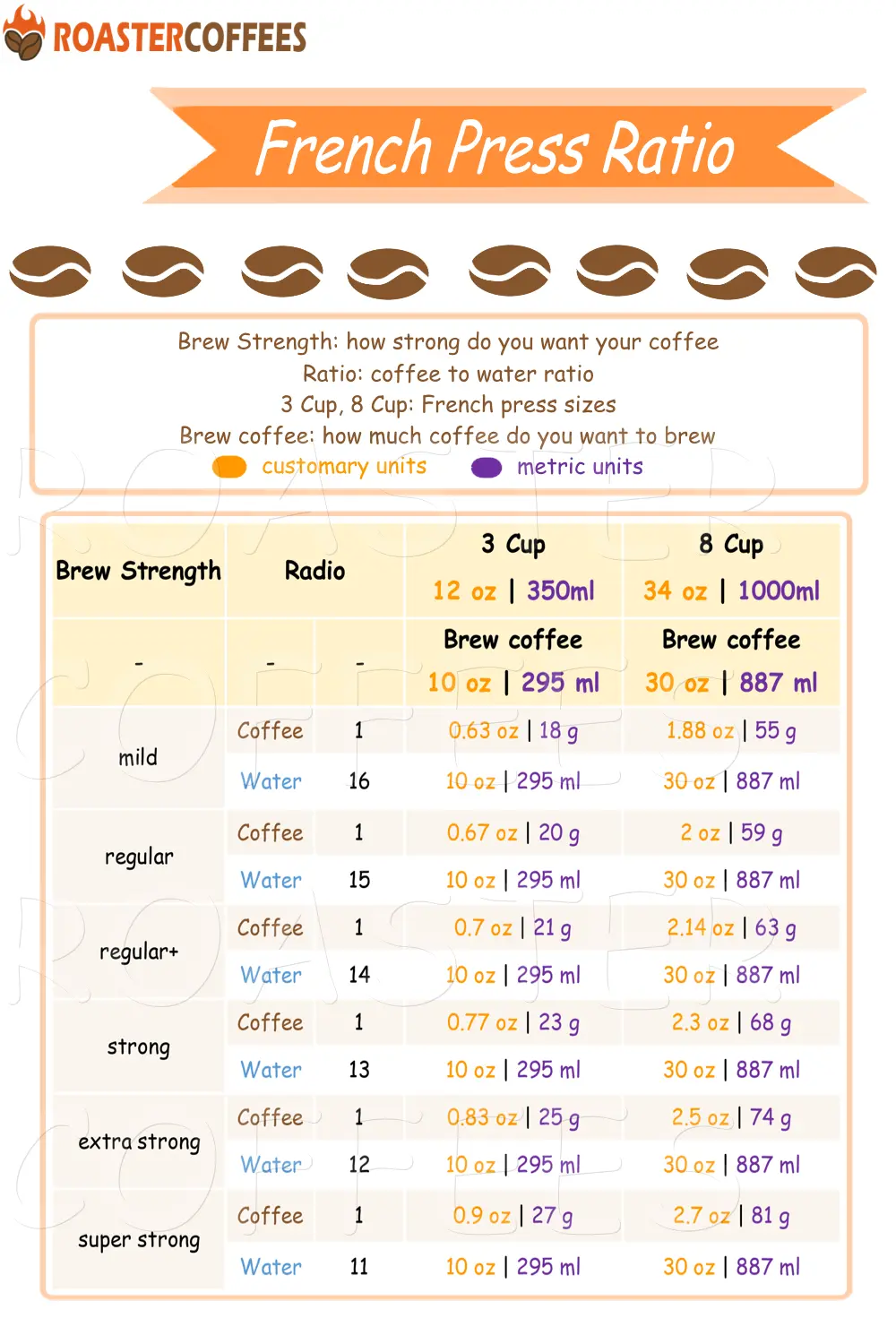
Pour-over coffee commonly uses a larger amount of water compared with coffee.
A typical approach may involve approximately:
1 gram of coffee
15–17 grams of water
This produces a beverage designed for slower enjoyment.
Espresso uses a much smaller ratio.
A common espresso recipe may involve:
18–20 grams of coffee
Producing approximately 30–40 grams of espresso
The result is significantly more concentrated.
Caffeine Comparison
Many people assume espresso contains more caffeine because of its intensity.
However, caffeine content depends on several factors:
Coffee dose
Brewing time
Extraction efficiency
Serving size
An espresso shot contains a high concentration of caffeine per volume, but a large pour-over serving may contain more total caffeine because it uses more water and coffee.
Therefore, strength and caffeine quantity are not always the same thing.
Equipment Requirements
The accessibility of these methods differs significantly.
Pour-Over Equipment
A basic pour-over setup requires:
Dripper
Paper filter
Grinder
Kettle
Scale
Coffee beans
It is relatively affordable and portable.
Espresso Equipment
Espresso requires more specialized equipment:
Espresso machine
High-quality grinder
Tamper
Scale
Distribution tools
Professional espresso preparation involves significant investment because consistency depends heavily on equipment precision.
Skill Level and Learning Curve
Both methods require skill, but the skills are different.
Pour-Over Skills
Pour-over focuses on:
Pouring technique
Timing
Water distribution
Recipe adjustment
The brewer has direct visual control over the process.
Espresso Skills
Espresso requires mastery of:
Grinder adjustment
Dose management
Extraction analysis
Machine operation
Milk preparation for espresso beverages
Small changes can create significant differences.
Espresso is often considered more technically demanding because the extraction window is extremely narrow.
The Importance of Coffee Selection
The choice between pour-over and espresso should influence coffee selection.
Coffees Suitable for Pour-Over
Pour-over often highlights coffees with:
Floral aromas
Fruit flavors
Bright acidity
Complex origin characteristics
Examples include:
Ethiopian heirloom varieties
Kenyan coffees
Panamanian Geisha coffees
Coffees Suitable for Espresso
Espresso often benefits from coffees with:
Strong sweetness
Balanced acidity
Dense body
Examples include:
Brazilian coffees
Colombian coffees
Central American coffees
However, modern specialty coffee continues to challenge traditional assumptions. Many light-roasted coffees now perform beautifully as espresso.
Brewing Temperature Differences
Water temperature influences extraction speed.
Pour-over brewers often adjust temperature based on roast level and desired flavor.
Lighter roasts may benefit from higher temperatures to extract sweetness and complexity.
Espresso machines typically operate within carefully controlled temperature ranges because pressure and short extraction time require precision.
Temperature consistency is particularly important in espresso because small variations can influence the entire shot.
Espresso and Milk-Based Drinks
One advantage of espresso is its ability to serve as the foundation for milk beverages.
The concentrated flavor of espresso remains recognizable even when combined with milk.
Popular drinks include:
Cappuccino
Latte
Flat white
The interaction between espresso and milk creates new sensory dimensions involving sweetness, texture, and balance.
Pour-over coffee is generally consumed without milk because its delicate flavors can be easily overwhelmed.
Cultural Differences Between the Two Methods
Pour-over and espresso also represent different coffee cultures.
Pour-over is often associated with:
Slow preparation
Personal craftsmanship
Exploration
Sensory analysis
Espresso culture emphasizes:
Social interaction
Efficiency
Daily ritual
Café tradition
Neither approach is better.
They simply reflect different relationships with coffee.
Sustainability Considerations
Both methods can be evaluated through an environmental perspective.
Pour-over produces paper filter waste, although reusable filters can reduce consumption.
Espresso machines require electricity and regular maintenance but can produce many beverages efficiently in commercial settings.
Sustainable coffee practices depend more on sourcing, farming, equipment efficiency, and waste management than on brewing method alone.
Which Brewing Method Is Better?
The answer depends entirely on the experience someone seeks.
Choose pour-over if you value:
Flavor clarity
Coffee origin exploration
Manual control
A slower ritual
Choose espresso if you value:
Intensity
Texture
Concentration
Café-style beverages
Many coffee professionals appreciate both because each reveals different aspects of the same coffee.
A single-origin bean may tell one story through pour-over and another through espresso.
The Professional Perspective: Two Ways of Understanding Coffee
For coffee practitioners, the comparison between pour-over and espresso represents a broader lesson.
Coffee is not a fixed product with one ideal preparation method.
Instead, coffee is a dynamic ingredient that responds to technique.
The same roasted bean can become:
Bright and aromatic through pour-over
Dense and powerful through espresso
Creamy and sweet in a latte
Rich and balanced in a cappuccino
Brewing methods are different languages used to express coffee’s possibilities.
Conclusion
Pour-over coffee and espresso represent two of the most influential traditions in modern coffee culture.
Pour-over celebrates transparency, precision, and the unique identity of the bean. It allows drinkers to explore subtle aromas, delicate acidity, and complex flavors.
Espresso celebrates concentration, intensity, and texture. It transforms coffee into a powerful experience while creating the foundation for countless café beverages.
For professional coffee practitioners, the goal is not to choose one over the other. The true craft lies in understanding how each method works and when each method best expresses a coffee’s potential.
From a carefully poured filter brew to a perfectly extracted espresso shot, both methods demonstrate the remarkable versatility of coffee.
The journey from bean to cup is not about finding a single answer. It is about discovering how technique, science, and creativity can reveal the endless possibilities hidden within every coffee bean.
References:
The Rich Tradition of Spanish Coffee
Mastering Coffee Brewing Ratios: The Professional’s Guide to Perfect Coffee