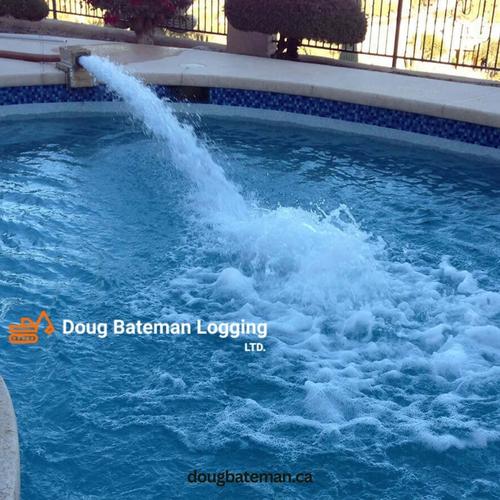
Welcome to sunny Kelowna, where the summer heat urges us to dive into crystal-clear swimming pools and soak up the rays. But, before you take that long-awaited plunge, there’s one critical factor to consider: water quality. Yes, it’s more than simply the temperature or size of your pool; maintaining perfect water quality is critical for a genuinely fun and safe swimming experience.
This blog post will go over the significance of water quality while Kelowna Swimming Pool Filling. We’ll look at the elements that influence water quality, the importance of testing it on a regular basis, and the numerous options for filling your pool with clean water. So let’s get started (pun intended) and learn how to make every splash count!
Recognizing Water Quality
The chemical, physical, and biological properties of water that determine its acceptability for various applications are referred to as water quality. Understanding water quality in swimming pools is critical for ensuring a safe and comfortable environment.
The chemical makeup of the water influences its overall quality. pH levels, chlorine content, and alkalinity must all be carefully maintained to guarantee optimal swimming conditions. Chemical imbalances can cause skin irritation, eye redness, and even more significant health problems.
Clarity and cleanliness are two physical features of water quality. Nobody wants to swim in water that is murky or littered with trash! Proper filtration systems and regular cleaning are critical for keeping your pool looking nice while also preventing the spread of hazardous microorganisms.
When evaluating water quality, biological variables such as bacteria must be taken into account. If harmful bacteria such as E.coli or algae are not effectively controlled by routine maintenance measures such as sanitizing treatments, they can proliferate.
Understanding the various aspects of water quality – chemical composition, physical cleanliness, and microbiological safety – will enable you to create an enticing swimming environment where everyone can enjoy themselves without worrying about their safety.
Water Quality Influencing Factors
When filling your swimming pool in Kelowna, consider the quality of the water. Several factors can influence water quality, ensuring that it satisfies the necessary standards for safe and enjoyable swimming.
The pH level of the water is important in sustaining water quality. Pool water should have a pH between 7.2 and 7.8. If the pH levels are too high or too low, it might cause corrosion of equipment or skin irritation.
The presence of chlorine is essential for cleaning and sanitizing pool water. Chlorine aids in the elimination of potentially dangerous germs and viruses. It is critical to evaluate and adjust chlorine levels on a regular basis to ensure they remain within the approved range.
Filtration is required to remove debris, pollutants, and other impurities from pool water. By collecting particles before they circulate back into the pool, a well-maintained filtration system will help keep your pool clean and clear.
You can ensure that your Kelowna swimming pool is loaded with crystal clear waters ready for limitless pleasure by taking these water quality elements into account: pH levels, chlorine balance, and adequate filtration.
The Importance of Water Quality Testing
Testing the water quality in your Kelowna swimming pool is an important step in keeping your family safe and having fun. But why is it so crucial? Temperature, pH levels, chlorine levels, and the presence of pollutants are all elements that might affect water quality. By testing the water on a regular basis, you can guarantee that these components are within the recommended range, avoiding any potential health risks or damage to your pool equipment.
One of the primary advantages of monitoring water quality is maintaining balanced pH levels. The pH level of water determines whether it is acidic or alkaline. Too high or too low a pH level can cause skin irritation, eye redness, and even damage to your pool’s surfaces. Testing and changing the pH level on a regular basis will assist keep it within the recommended range for pleasant swimming.
Regular testing ensures that chlorine levels are suitable in addition to pH levels. Chlorine is essential for pool sanitization since it kills bacteria and other unwanted microbes. However, if the chlorine levels are too low, the water may not be successfully disinfected; on the other hand, if they are too high, skin irritations or an unpleasant odor may occur. Testing ensures that adequate chlorine levels are maintained for a clean and healthful swimming experience.
Understanding why water quality testing is important in filling your Kelowna Swimming pool with clean and safe water! You can spend your summer days swimming about with friends and family without stress, knowing that their safety comes first! So, remember to test on a regular basis!
Pool Filling Water Sources
One of the most crucial factors to consider while filling your Kelowna swimming pool is the source of water. The quality of the water you use can have a considerable impact on your pool’s overall health and safety. It is critical to select the proper water source to achieve maximum swimming and enjoyment conditions.
There are various ways to get water to fill your pool. Many households prefer municipal or city water sources because they are more readily available and are treated with chemicals like chlorine. However, keep in mind that the additional chemicals in this treated water can have an effect on the purity and balance of your pool.
Well water is another option; it is derived from subsurface aquifers. Although well water does not typically contain chemicals such as chlorine, it may contain minerals such as calcium or iron that can create scaling or discoloration in your pool. It is recommended that you test well water before using it in your swimming pool.
Pool filling with rainwater is becoming an increasingly environmentally conscientious alternative. Rainwater collection is the capture and storage of runoff from roofs in barrels or storage tanks. Rainfall does not normally pose a health risk in and of itself, but it is critical to filter and treat collected rainwater before adding it to your pool.
Choosing the right water supply while filling your Kelowna swimming pool is critical to its longevity and cleanliness. Each choice has advantages and disadvantages, so recognizing them will allow you to make an informed decision based on what is best for you!
Kelowna Rock Ripping, Hammering, Removal, and Trenching Services
In addition to knowing the significance of water quality while filling your Kelowna swimming pool, other factors of pool installation and upkeep must be considered. Rock ripping, pounding, removal, and trenching services are one example.
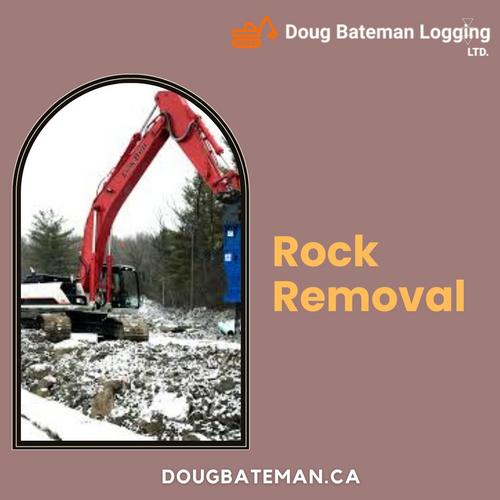
When constructing a new swimming pool or repairing an existing one, rocks or boulders may need to be removed from the site. Rock ripping and pounding services are useful in this situation. These services entail breaking up large rocks or boulders into smaller pieces for easy removal utilizing specialized equipment.
Professional Kelowna Rock Removal services can safely remove the rocks from the site once they have been broken down. Proper rock removal guarantees that your pool construction continues smoothly and without stumbling blocks.
Another crucial factor to consider throughout the pool installation procedure is trenching services. Trenches are commonly used for a variety of functions, such as laying plumbing lines, installing electrical cabling, or creating drainage systems around your swimming pool. Professional trenching services ensure that these trenches are dug precisely and effectively while causing the least amount of inconvenience to your property.
You can rest confident that every step of your swimming pool project will be done with the utmost care and precision by contacting experienced professionals who specialize in rock ripping, hammering, removal, and trenching services in Kelowna, such as Doug Bateman Logging LTD.