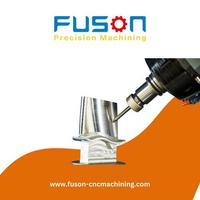
When you think of CNC precision, what comes to mind? Please stop now! Everything about CNC manufacturing, from initial concept sketches to the final result, will be covered here. Starting with the selection of materials and ending with the final inspection, we will explore every step of the process required to produce high-quality, accurate CNC machined components. This essay analyzes the global process of producing precise parts, which will be of interest to everyone interested in manufacturing. When did we become so wasteful?
Meaning and Precision in CNC-Made Components
Accurate CNC components are crucial for today’s manufacturers. They are crucial in the manufacturing of numerous products, including aircraft, automobiles, and medical equipment. An understandable follow-up question may be, “But what exactly is a precision CNC part?” An item that has been machined using CNC technology can boast an unequaled level of precision and quality.
You can put just about anything in here, from screws to complex gears and engine blocks. The precision of their measurements and tolerances is a defining feature of these parts. Because of this careful attention to detail, each component will work well in its intended environment.
To create digital prototypes of their final creations, designers use cutting-edge computer tools. In order to cut and shape raw materials like metal and plastic into finished objects, these concepts are translated into machine language by CNC machines.
As a consequence, you get a high-precision CNC part that can be used in any application and pass any quality control procedures before being incorporated into a final product. It is important to comprehend the processes involved in the creation of these complex components if one is to truly value the skilled labor that goes into manufacturing global precision parts for everyday usage.
Preparation of CNC Parts with Extreme Accuracy
Designing for CNC precision requires much thought and planning. The first stage is figuring out what the part will be used for and what sort of performance is required. Knowing the exact dimensions, tolerances, and materials needed to create a working component is greatly aided by this information.
DFM (Design for Manufacturing) principles should be incorporated into the design process early on. To achieve this goal, one must use 3D modeling and simulation tools to create parts that are optimal for CNC cutting. The design’s effectiveness improves as complexity is reduced and potential sources of production defects are removed.
Making high-quality, accurate CNC parts strongly depends on picking the right CAD/CAM software. These applications enable engineers in creating dependable designs by simulating real-world situations down to the micron. They provide information on potential issues before production begins, allowing for quicker and easier modifications early on.
The success of any project that requires the creation of quality CNC machined parts depends on open lines of communication between the designers and manufacturers participating in the endeavor.
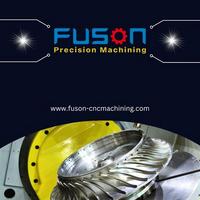
How to Select the Best Materials for Your Precision CNC Parts
Making high-quality, precision CNC components begins with selecting the correct materials. Use high-quality materials to increase the accuracy and durability of your finished products.
To do its job, your component will need certain qualities. Should it melt or burst under pressure? Does it matter if something corrodes or not? That way, you’ll know what kind of resources to dig into further.
Have a plan and consider your financial constraints. Some materials may have a greater performance profile, but their high price or complexity of sourcing may make them unfeasible to use. Striking a balance between optimum performance and practicality is essential.
Keep machine-readiness in mind at all times. Some substances can be tricky to make precisely because of their hardness or brittleness. It would save time and money in production if the material chosen was more suited for CNC cutting.
When deciding on a material item, it’s important to keep up with current trends in your sector. Research into novel materials consistently yields promising findings that show promise of outperforming the status quo. To ensure that your high-precision CNC parts remain competitive in the current market, you must stay abreast of these shifts.
Computer Numerical Controlled Machining as a Process
Using computer numerical control (CNC) machining, highly precise and reproducible CNC parts can be produced. Beginning with the design phase and continuing through material selection and actual production, technical competence and painstaking attention to detail are necessary at every level of manufacture.
Global Precise Parts is among the leading suppliers of CNC machined components. They use state-of-the-art equipment and employ highly trained specialists, allowing them to consistently deliver high-quality products to customers in a variety of industries.
Get in touch with Global Precision Parts if you need trustworthy production partners or information on how to improve your manufacturing procedures. Any recommendations they provide will be tailored specifically to your situation.