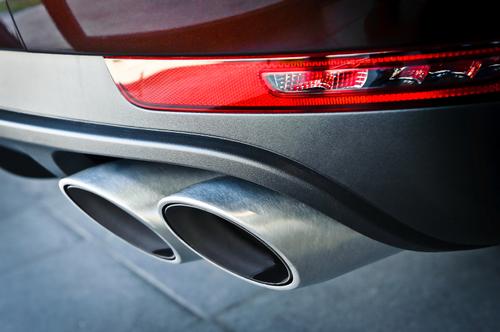
The exhaust system plays a crucial role in a vehicle’s performance and safety. Regular maintenance and timely troubleshooting can help prevent common exhaust system problems, ensuring a smooth and efficient driving experience. In this article, we will explore troubleshooting tips to identify and address issues related to bespoke stainless steel exhaust systems. By paying attention to unusual noises, checking for leaks, conducting visual inspections, understanding performance problems, and addressing exhaust fumes inside your car, you can avoid potential complications and keep your exhaust system in optimal condition.
Unusual Noises: Identifying Exhaust Problems by Sound:
Unusual noises emanating from your vehicle can be an indication of exhaust system problems. Listen for any hissing, rattling, or roaring sounds that are out of the ordinary. These noises may suggest issues such as exhaust leaks, loose components, or a failing muffler. If you notice any unusual sounds, it is crucial to have your bespoke stainless steel exhaust system inspected by a qualified technician to diagnose and resolve the underlying problem promptly.
Checking for Leaks: Signs and Symptoms:
Exhaust leaks can significantly impact the performance and safety of your vehicle. Signs of exhaust leaks include a strong smell of exhaust gases, a noticeable decrease in fuel efficiency, or black sooty residue around the exhaust pipe. To check for leaks, inspect the exhaust system for visible cracks, holes, or loose connections. Additionally, a hissing or popping sound during acceleration can also indicate a leak. Addressing leaks promptly is essential to prevent the entry of harmful fumes into the vehicle cabin and to maintain optimal engine performance.
Visual Inspection: Spotting Common Exhaust Issues:
Performing regular visual inspections of your bespoke stainless steel exhaust system can help identify common issues. Look for signs of corrosion or rust on the pipes, muffler, and other components. Rust can weaken the exhaust system and lead to leaks or structural failures. Additionally, inspect the hangers and brackets that support the system to ensure they are secure and intact. Address any visible damage or deterioration promptly to prevent further complications and ensure the longevity of your exhaust system.
Performance Problems: Understanding the Cause:
If you experience a decrease in engine power, reduced acceleration, or poor fuel efficiency, it could be related to your exhaust system. Issues such as a clogged catalytic converter or a malfunctioning oxygen sensor can adversely affect performance. Pay attention to any changes in the vehicle’s behavior and promptly diagnose and address the underlying cause. A professional inspection can help determine the specific exhaust-related issues impacting your vehicle’s performance.
Dealing with Exhaust Fumes Inside Your Car:
The presence of exhaust fumes inside the car cabin is a serious concern as it poses health risks to the occupants. Exhaust fumes may enter the vehicle due to leaks, a damaged exhaust manifold gasket, or a faulty seal. If you notice a strong smell of exhaust or experience symptoms such as headaches, dizziness, or nausea while driving, it is essential to address the issue immediately. Have your exhaust system thoroughly inspected by a qualified technician to identify and rectify the source of the fumes, ensuring a safe and comfortable driving environment.
Addressing Catalytic Converter Malfunctions:
The catalytic converter plays a vital role in reducing harmful emissions. If you notice a decrease in engine performance, a “check engine” light, or a sulfur-like smell, it may indicate a malfunctioning catalytic converter. Avoiding prolonged use of leaded gasoline, regularly inspecting and cleaning the converter, and ensuring proper engine maintenance can help prevent catalytic converter problems. If you suspect a malfunction, it is crucial to have it diagnosed and repaired by a qualified professional.
Preventing Rust and Corrosion: Maintenance Tips:
Rust and corrosion can weaken the exhaust system and lead to leaks and structural failures. To prevent these issues, it is important to keep the exhaust system clean and free from debris. Regularly wash the undercarriage of your vehicle, paying close attention to the exhaust components. Applying a high-temperature paint or protective coating can also provide an additional layer of defense against rust and corrosion. Additionally, avoiding exposure to harsh chemicals and road salt can help prolong the life of your exhaust system.
Overheating Exhausts: Causes and Solutions:
Overheating exhausts can result in various problems, including reduced engine performance and increased emissions. Common causes include a faulty oxygen sensor, clogged muffler or exhaust pipe, or a malfunctioning cooling system. Regularly inspecting and maintaining the cooling system, ensuring proper airflow to the exhaust system, and promptly addressing any engine overheating issues can help prevent exhaust overheating. If you notice signs of an overheating exhaust, consult a professional to diagnose and rectify the underlying cause.
Exhaust Smoke: What Different Colors Mean:
Exhaust smoke color can provide valuable insights into the health of your engine and exhaust system. Blue smoke indicates oil burning, which could be due to worn piston rings or valve seals. White smoke may indicate coolant or water entering the combustion chamber, potentially indicating a coolant leak. Black smoke often suggests an overly rich fuel-air mixture or a clogged air filter. Paying attention to the color and consistency of the exhaust smoke can help identify potential issues and guide you in seeking appropriate repairs.
Common DIY Exhaust Fixes: When to Call a Professional:
While some exhaust system issues can be addressed with DIY fixes, it is important to know when it’s time to call a professional. Simple tasks such as tightening loose connections or replacing a damaged hanger can be done at home. However, more complex issues like repairing or replacing a muffler or exhaust pipe should be left to experienced professionals. Attempting complex repairs without the necessary skills and tools can lead to further damage or safety hazards. When in doubt, consult a qualified mechanic who specializes in exhaust system repairs.
Conclusion:
By paying attention to the signs and symptoms discussed in this article, you can effectively troubleshoot common exhaust system problems associated with bespoke stainless steel exhaust systems. Regular inspections, prompt attention to unusual noises, checking for leaks, understanding performance problems, and addressing exhaust fumes inside the car are essential steps in maintaining a reliable and efficient exhaust system. Remember to consult with a professional technician for accurate diagnosis and appropriate repairs when encountering any issues. By taking proactive measures, you can ensure the longevity and optimal performance of your bespoke stainless steel exhaust system while enjoying a safer and more enjoyable driving experience.