Rethinking Human Growth Hormone in the 21st Century
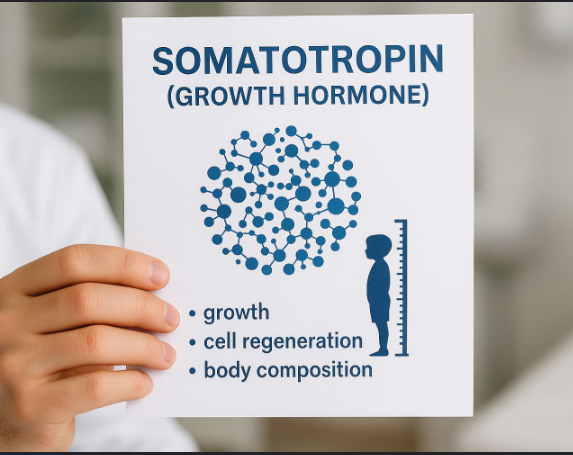
Human Growth Hormone (HGH) has moved far beyond its original medical framing and is now frequently discussed in the broader context of performance, recovery, and longevity. Produced naturally by the pituitary gland, it influences how the body grows, repairs tissues, and regulates metabolism throughout life.
In contemporary wellness culture, HGH is often viewed not just as a clinical hormone but as part of a wider conversation about physical optimization and aging. This shift has led to increased interest in how it functions and how external factors may influence its activity.
Natural Regulation and Physiological Importance
The body’s production of HGH follows a complex rhythm influenced by sleep, exercise, stress levels, and nutrition. It peaks during deep sleep and physical exertion, supporting muscle repair and cellular regeneration.
One of its key roles is maintaining a balance between fat metabolism and lean tissue preservation. This dual function makes it particularly relevant in discussions about body composition and recovery efficiency. However, its effects are deeply interconnected with overall endocrine health, meaning it does not act in isolation.
HGH in Performance and Recovery Contexts
In athletic and fitness environments, HGH is often associated with recovery speed and physical resilience. It plays a role in tissue repair, which is why it is frequently mentioned in relation to intensive training cycles.
Some individuals explore structured supplementation frameworks or specialized products to better understand how hormonal support fits into their routines. Within these discussions, terms like zptrop 200 iu occasionally appear when referencing specific HGH-related formulations in niche markets.
It is important to emphasize that outcomes related to HGH are highly individual and depend on multiple physiological and lifestyle factors, including training intensity, diet quality, and recovery habits.
Metabolic Influence and Body Composition
HGH contributes to how the body uses energy, particularly in relation to fat oxidation and glucose regulation. This has made it a topic of interest in weight management discussions, especially among those focused on maintaining lean muscle mass while reducing fat accumulation.
Its metabolic role is indirect but significant, influencing how efficiently the body responds to physical demands. Rather than acting as a direct performance enhancer, HGH works as part of a broader hormonal network that supports adaptation and recovery.
Responsible Understanding and Awareness
As interest in HGH grows, so does the importance of responsible interpretation. Hormonal systems are highly sensitive, and external interference should always be considered carefully. Misuse or misunderstanding of hormone-related compounds can lead to unintended physiological effects.
Educational awareness is essential for anyone exploring this topic. Understanding how HGH interacts with natural bodily processes helps create realistic expectations and reduces the risk of misinformed decisions.
Scientific Interest and Ongoing Research
Research into HGH continues to evolve, particularly in areas such as aging, regenerative medicine, and metabolic health. Scientists are still uncovering how variations in HGH levels affect long-term physical performance and overall well-being.
This ongoing research highlights the complexity of hormonal regulation and reinforces the idea that HGH is only one component within a much larger biological system.
A Hormone at the Intersection of Science and Lifestyle
Human Growth Hormone remains one of the most discussed biological compounds due to its wide-ranging effects on growth, recovery, and metabolism. Its relevance spans from clinical applications to lifestyle-oriented discussions about performance and longevity.
As the field develops, the focus is gradually shifting toward education, balance, and informed understanding rather than simple enhancement narratives. HGH continues to occupy a unique space where science and personal optimization meet, shaping how people think about physical potential in the modern world.