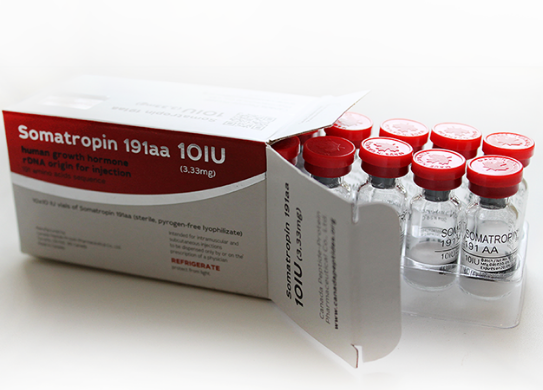
In the evolving landscape of medical science, the conversation around hormone therapies has shifted from vague promises to a more grounded focus on evidence, safety, and patient-centered care. As people explore ways to support overall well-being under professional supervision, it’s vital to understand how products are developed, what they represent scientifically, and how they fit into broader health frameworks. One such conversation centers on advanced formulations designed for regulated therapeutic use.
The Essence of Hormone-Based Therapeutics
Hormones play an essential role in regulating many of the body’s functions, from metabolism and growth to cellular repair and energy balance. When certain hormone levels fall outside of expected ranges due to medical conditions, targeted therapies may be considered under appropriate clinical oversight. Such treatments are intended to help restore equilibrium and support physiological processes in a controlled, monitored setting.
The term hgh 191aa often appears in scientific literature as a way to describe a specific structure of human growth hormone in its biologically active form. This designation highlights the amino acid sequence that defines the molecule and its interaction with receptors in the body. It’s a reminder that behind every therapeutic product is a complex biological framework that researchers strive to understand and replicate accurately.
Quality Standards and Manufacturing Practices
When evaluating any medical product, quality and consistency are critical. Rigorous manufacturing practices ensure that formulations meet established standards for purity and stability. This level of attention matters because even small variations in composition can affect how a therapy interacts with the body.
In clinical settings where hormone-related treatments are administered, healthcare professionals prioritize products with transparent production histories and clear labeling. This allows for informed decision-making and reinforces a commitment to responsible use.
Transparency, Integrity, and Patient Education
As science advances, so does the importance of clear communication. Responsible providers emphasize transparency about what a product contains, how it is produced, and why specific standards are upheld. This approach supports patients and clinicians in having meaningful discussions about potential benefits, limitations, and monitoring needs.
Education plays a central role in fostering realistic expectations. Rather than focusing on broad claims, the best information centers on scientific rationale, clinical experiences, and established safety profiles. A well-informed individual is better equipped to engage with healthcare providers and weigh the right questions when considering any therapeutic option.
Navigating Medical Decisions with Professional Support
Hormone therapies are not casual supplements; they belong within structured medical plans tailored to individual health needs. Decisions about their use should always involve qualified professionals who can assess hormone levels, interpret results, and recommend a course of action that aligns with overall health goals and safety considerations.
Regular monitoring and follow-up care are key components of any treatment involving hormones. These steps help ensure that adjustments can be made as needed and that any potential side effects are addressed promptly.
A Balanced View of Wellness Innovation
In an age where health options abound, a balanced perspective is crucial. Advances in biotechnology have enabled remarkable progress in understanding how targeted therapies can support quality of life when used responsibly. Yet innovation also demands respect for established medical protocols and ethical standards that protect individuals seeking care.
Products designed for hormone therapy reflect years of research, regulation, and refinement. Their value lies not in sensational promises but in measurable quality and careful application within health systems.
Modern hormone therapies, grounded in scientific research and professional oversight, represent an important area of medical development. With a focus on accuracy, safety, and transparent communication, individuals and healthcare providers can engage in informed discussions about whether specific approaches align with health objectives. In this context, the role of structured education and clinical guidance cannot be overstated. Thoughtful engagement with therapeutic options ensures that progress in science translates into meaningful and responsible care.