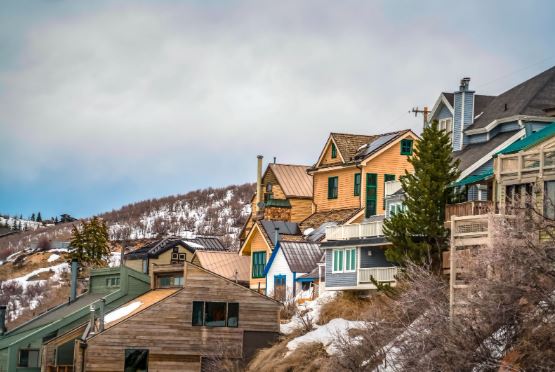
Outdoor lighting can completely change how a home feels once the sun drops behind the mountains. In Colorado, where evenings cool off quickly and views stretch for miles, lighting does more than improve visibility. It creates atmosphere, highlights natural features, and extends the time you actually enjoy being outside.
Good lighting design starts with understanding the landscape you already have. Yards here are shaped by elevation changes, native plants, stone features, and dramatic shifts in weather. Colorado landscape lighting works best when it respects those elements instead of fighting them, which is where creativity really comes into play.
Let the Landscape Lead the Design
One of the biggest mistakes homeowners make is treating lighting as an afterthought. When fixtures are added without a plan, the result often feels harsh or cluttered. A better approach is to let the terrain guide your decisions.
Slopes, retaining walls, and tiered patios are perfect opportunities for subtle lighting. Low fixtures tucked into stone or soil can follow the natural lines of the yard. This helps the space feel intentional and calm, rather than overly lit.
Rock formations and boulders common in Colorado landscapes also deserve attention. Soft uplighting placed at the base of a stone feature brings out texture and depth that disappear during the day. The goal is suggestion, not spotlighting, which is a balance that takes restraint.
Highlight Trees Without Overdoing It
Trees play a major role in many Colorado yards, from tall pines to ornamental aspens. Lighting them well adds instant drama, but it’s easy to go too far.
Instead of lighting every tree, choose one or two focal points. A mature tree near a patio or entryway can anchor the entire design. Use warm, narrow beams aimed upward to reveal the trunk and lower branches. This creates height and visual interest without turning the yard into a stage.
Aspens are especially striking when lit correctly. Their white bark reflects light beautifully, even at low levels. A single well-placed fixture can make a grove glow softly, which feels almost magical on a quiet evening.
Path Lighting That Feels Natural
Path lighting should guide movement without demanding attention. In mountain and foothill areas, straight lines often feel out of place. Curved paths and stepping stones are common, and the lighting should follow that rhythm.
Instead of evenly spaced fixtures like runway lights, vary placement slightly. This creates a more organic look and helps avoid that overly formal feeling. Low-level lights with shielded bulbs reduce glare and keep the focus on where you’re walking.
Solar options can work in sunny areas, but consistency is key. Mixing solar and wired fixtures sometimes leads to uneven brightness, which can be distracting. If safety is a concern, wired lighting is usually the better choice.
Outdoor Living Areas Deserve Layers
Patios, decks, and outdoor kitchens are often the heart of a Colorado backyard. These spaces need layered lighting that adapts to different uses, from quiet evenings to larger gatherings.
Think in terms of three basic layers:
- Ambient lighting for general visibility
- Task lighting for cooking or dining
- Accent lighting for atmosphere
String lights are popular for a reason. When installed thoughtfully, they add warmth and charm without overpowering the space. Draped between posts or woven through pergolas, they create a soft ceiling of light that feels welcoming.
For decks, recessed step lights improve safety and add a subtle glow. Under rail lighting is another option that keeps fixtures hidden while still providing enough illumination.
Embrace Fire and Light Together
Fire features are common in Colorado landscapes, thanks to cool nights and clear skies. Fire pits, fireplaces, and even tabletop fire bowls pair beautifully with low lighting.
When fire is present, lighting should take a supporting role. Avoid bright fixtures nearby that compete with the flames. Instead, use dimmer lights around seating areas and pathways leading to the fire feature.
This contrast makes the fire feel warmer and more inviting. It also keeps the focus where it belongs, on conversation and comfort rather than brightness.
Make Water Features Shine After Dark
Water features might be subtle in Colorado due to climate concerns, but when they’re present, lighting can transform them. Even a small fountain or pond becomes a focal point at night with the right approach.
Underwater lights create gentle movement and reflection, especially when paired with stone edges. For safety and longevity, fixtures designed specifically for water use are essential.
If a water feature freezes in winter, lighting still has value. Ice formations can catch and scatter light in unexpected ways, turning a dormant feature into a seasonal highlight.
Use Color Sparingly and Intentionally
Color lighting can be tempting, especially with modern LED systems that offer endless options. In most residential settings, restraint is your friend.
Warm white tones usually feel best in Colorado landscapes, complementing stone, wood, and native plants. Subtle color can work for special occasions or seasonal accents, but permanent colored lighting often feels dated quickly.
If you do experiment with color, keep it isolated. A single feature lit in a soft amber or cool blue can add interest without overwhelming the space.
Consider Wildlife and Dark Skies
Colorado’s natural beauty includes its wildlife and night skies. Poor lighting choices can disrupt both.
Shielded fixtures that direct light downward help reduce light pollution. This protects nocturnal animals and keeps the stars visible, something many homeowners value deeply.
Motion sensors are another smart option, especially in areas near open land. They provide light when needed without staying on all night, which is better for energy use and the surrounding environment.
Seasonal Flexibility Matters
Weather changes fast here, and lighting systems should be designed with that in mind. Snow, ice, and temperature swings can stress fixtures if they’re not rated properly.
Choose materials like brass or stainless steel that hold up over time. Adjustable fixtures allow you to tweak angles as plants grow or as seasonal needs change.
It’s also worth planning for winter use. Lighting that looks great in summer should still make sense when the yard is covered in snow. Often, less is more during those months.
Professional Design Makes a Difference
While DIY lighting kits are widely available, professional design often leads to better results. An experienced designer understands how light behaves in different terrains and conditions.
They also know how to balance creativity with practicality, something that’s easy to miss when choosing fixtures online. A thoughtful plan saves money in the long run by avoiding unnecessary additions and replacements.
Landscape lighting is one of those upgrades that quietly improves daily life. It makes evenings more enjoyable, enhances safety, and adds character that’s hard to achieve any other way.
When lighting works with the land instead of against it, the result feels natural and lasting. That’s what turns a yard into a place you actually want to be, night after night.