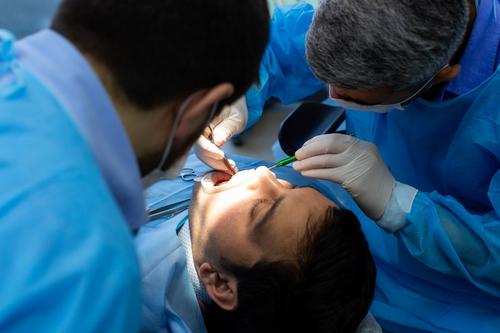
Losing a tooth is never just a physical event. There’s often a quiet emotional weight to it too—a gap in your smile, a change in how you chew, a nagging worry about what comes next. If you’ve been told you need a tooth pulled before getting an implant, you might be wondering why the extraction matters so much in the first place. Isn’t it just about removing the problem tooth and moving on?
Not quite. The way a tooth is removed has a direct and lasting impact on whether the implant that replaces it will thrive for decades or struggle from day one. This is where surgical dental implants come into the picture, and why the extraction phase deserves far more attention than most patients realize.
Why the Extraction Method Matters More Than You Think
Not all extractions are created equal. A simple surgical extraction—performed with precision, care, and an eye toward what happens next—preserves the delicate architecture of your jawbone and gum tissue. Traditional extractions, especially when done hastily, can fracture the thin bony walls of the socket or leave behind uneven tissue that heals poorly.
Think of the extraction site as the foundation of a house. If the foundation is cracked or uneven, nothing built on top of it will stand strong for long. Dentists trained in atraumatic extraction techniques use specialized instruments to loosen the tooth gently, section it if needed, and lift it out without unnecessary force on surrounding bone. This careful approach keeps the socket walls intact, which matters enormously once it’s time to place an implant.
Patients rarely think about this step until it’s explained to them, but it genuinely shapes the entire trajectory of their treatment. A clean, well-preserved extraction site heals faster, with less swelling and discomfort, and sets up a much smoother path toward implant placement.
The Hidden Connection Between Bone Health and Implant Success
Here’s something that surprises many people: the jawbone starts to resorb, or shrink, almost immediately after a tooth is lost. Within the first year, patients can lose up to 25% of bone width in that area if nothing is done to preserve it. That’s a significant loss, and it directly affects whether an implant can be placed successfully without additional bone grafting.
Simple surgical extractions often include a technique called socket preservation, where the dentist places a bone graft material into the empty socket immediately after removal. This encourages new bone to form in the space rather than allowing it to collapse inward. It’s a small addition to the procedure, but its long-term payoff is substantial.
When bone density and volume are maintained, implants have a stable, solid base to anchor into. This isn’t just about aesthetics or comfort—it’s about biomechanics. An implant needs enough surrounding bone to fuse properly through a process called osseointegration, where the titanium post literally becomes part of your jaw structure over several months. Without adequate bone, that fusion is compromised, and the implant risks loosening or failing altogether.
What Patients Often Don’t Realize About Healing Time
There’s a temptation to rush things. After all, once the troublesome tooth is gone, most people just want their new tooth in place as soon as possible. But healing takes time, and respecting that timeline is part of what makes surgical extractions so valuable for implant success.
Depending on the complexity of the extraction and the patient’s individual healing response, dentists typically recommend waiting anywhere from two to six months before placing an implant. This window allows the bone graft to mature, soft tissue to close over properly, and any inflammation to fully resolve.
Skipping or shortening this phase, even with good intentions, increases the risk of implant failure. A well-executed extraction combined with patience during recovery gives the implant the best possible environment to succeed. It’s a bit like planting a seed in freshly tilled soil versus cracked, dry ground—the same seed will grow very differently depending on what it’s planted in.
Experienced oral surgeons and dentists also monitor healing through follow-up visits and imaging, ensuring the site is truly ready before moving forward. This isn’t overcaution; it’s simply respecting biology.
Choosing the Right Provider for Long-Term Results
Given how much the extraction phase influences implant outcomes, choosing a provider with genuine surgical experience matters. Look for a dental professional who explains their extraction technique, discusses bone preservation options, and takes the time to assess your specific anatomy rather than applying a one-size-fits-all approach.
Ask questions. A trustworthy provider will welcome them and explain, in plain language, why they’re recommending a particular sequence of care. This kind of transparency is a good sign that they’re prioritizing your long-term results over a quick fix.
Bringing It All Together
The journey toward a healthy, functional smile doesn’t start with the implant itself—it starts with the extraction that precedes it. A carefully performed simple surgical extraction protects your bone, minimizes complications, and creates the ideal foundation for whatever comes next. If you’re facing a tooth extraction and considering implants down the road, take the time to discuss technique, bone preservation, and healing timelines with your dentist. That conversation, more than anything else, is what sets the stage for lasting, comfortable results you can smile about for years to come.